Seasonal allergies and year-round allergies have similar symptoms, which can sometimes make them hard to tell apart. Seasonal allergies are typically caused by outdoor allergens; while year-round allergies are generally triggered by indoor allergens. Their symptoms can range from mild-to-severe.
To help clear up some of this confusion, we’re sharing information about seasonal allergies and year-round allergies.
What Are Seasonal Allergies?
Common Seasonal Allergens
You may be wondering: how long do seasonal allergies last? Around February you may start to feel your seasonal allergy symptoms. The reason for this is that in many areas of the United States, spring allergies begin in February. Seasonal allergies can be caused by the following:
• Trees
• Grasses
• Weeds
• Ragweed
• Mold
• Dust
To make managing your seasonal allergies easier, use our Pollen Pal tracker.
What Are Year-Round (also known as Perennial) Allergies?
Common Allergens
Allergens may include:
• Dust mites/house dust
• Pet dander
• Cockroaches
• Mold spores
• Fungal spores
• Fabric fibers
• Pieces of insects
• Cockroach droppings
Why Year-Round Allergy May be Worse in the Colder Months
During the colder winter months, you probably find yourself spending less time outside and more time indoors and therefore your exposure to indoor allergens increases.
Key Differences Between Seasonal and Year-Round Allergies
Seasonal and year-round allergies share quite a few symptoms, but when it comes to differences, one of the most important elements to pay attention to is time.
With seasonal allergies, your reaction is likely to fade as the seasons change, depending on your triggering allergen. However, if you suffer from having a year-round allergy, not only do your symptoms last longer, but you’ll also experience them more consistently throughout the year.
Discuss your symptoms with your medical provider to find out how best to treat your allergies, whether it’s seasonal allergies or year-round allergies.

Similarities Between Seasonal and Year-Round Allergies
| Symptom | Seasonal Allergies | Year-Round Allergies |
|---|---|---|
| Sneezing | Frequent sneezing during high pollen days | Frequent sneezing indoors |
| Runny/Stuffy Nose | Your nose might react to outdoor allergens (pollen, Mold) | This can be triggered by indoor allergens (dust mites, pet dander) |
| Itchy/Watery Eyes | Very common—often triggered by pollen | Common, especially with pets |
| Coughing | Caused by throat irritation from post-nasal drip | Persistent, especially in dusty environments |
| Fatigue | Often happens because of disrupted sleep or sinus congestion | It can happen because of constant exposure to indoor allergens |
| Sore Throat | From mucus drainage during allergy season | From constant irritation |
| Sinus Pressure | It can occur when pollen counts are high | Can persist throughout the year |
Find the Right Kleenex® Product for Allergy Season
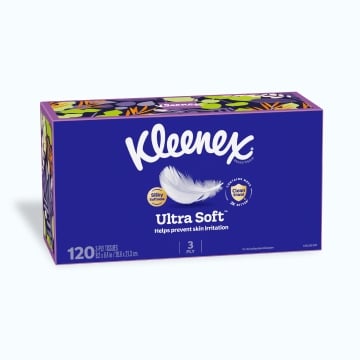
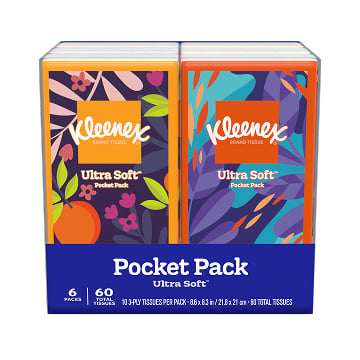
To care for your sensitive skin, add Kleenex® Ultra Soft™ Facial Tissues to your routine. Hypoallergenic and allergist approved, our tissues feature 3 layers of silky-soft strength that's gentle on watery eyes and runny noses, making them perfect to use for pollen allergies, back to school season, and everything in between. For whatever happens next, Grab Kleenex®.
Find the Right Kleenex® Products for Your Allergies
Discuss your symptoms with your medical provider and talk about how to treat your seasonal allergies.