Sometimes, allergy flare-ups can happen when you least expect them, like when you are in the office in the middle of the day. Office allergies are not uncommon and are particularly tricky because the triggers aren’t always obvious. Luckily, once you figure out what causes your allergies, there are practical, office-friendly ways to reduce exposure and stay more comfortable throughout the day.
Here’s a guide to understanding what may cause your office allergies, how they can affect your workday, and what you can do to feel better at your desk.
Understanding Indoor and Office Allergies
Indoor allergies aren’t just a “home” thing. Office environments can trap and circulate irritants.
What Are Common Causes of Indoor Allergies at Work?
These are the common offenders when it comes to allergic reactions in office environments:
- Dust and Dust Mites: Dust builds up on desks, keyboards, office chairs, blinds, and (especially) carpet and fabric-covered furniture.
- Pollen Brought Indoors: Even if your office windows never open, pollen can find its way indoors by clinging to coats, hair, bags, and shoes. It also enters through doors and ventilation systems.
- HVAC and Air Quality Issues: Air conditioning can circulate allergy triggers like dust, pollen, mold spores, and other particles if filters aren’t replaced regularly.
- Mold and Mildew: Any past water damage, moist ceiling tiles, bathroom leaks, and damp storage rooms can contribute to mold growth.
- Fragrance and Chemicals: Perfume, strongly scented hand soap, plug-in air fresheners, and harsh cleaning sprays can irritate sensitive noses and airways.
- Animal Dander: Even in pet-free spaces, dander can hitch a ride on clothing from pet-owning coworkers, then settle onto shared chairs or conference room upholstery.
How Do Allergies Impact Employee Health and Productivity?
Allergies aren’t just annoying; they can affect how you feel and perform at work.
Common allergy symptoms include:
- Sneezing
- Runny nose
- Congestion
- Watery eyes
- Headaches
- Fatigue
Even when you’re physically present, allergy symptoms can lead to slower task completion and low energy, leaving you feeling wiped out by the end of the day. Managing your allergies can help protect your energy and attention.
How Do You Manage Allergies Effectively at Work?
You may not be able to control the entire office environment, but you can take steps that help prevent your allergy flare-ups.
These simple, but effective, tactics can greatly reduce your exposure to allergens at work.
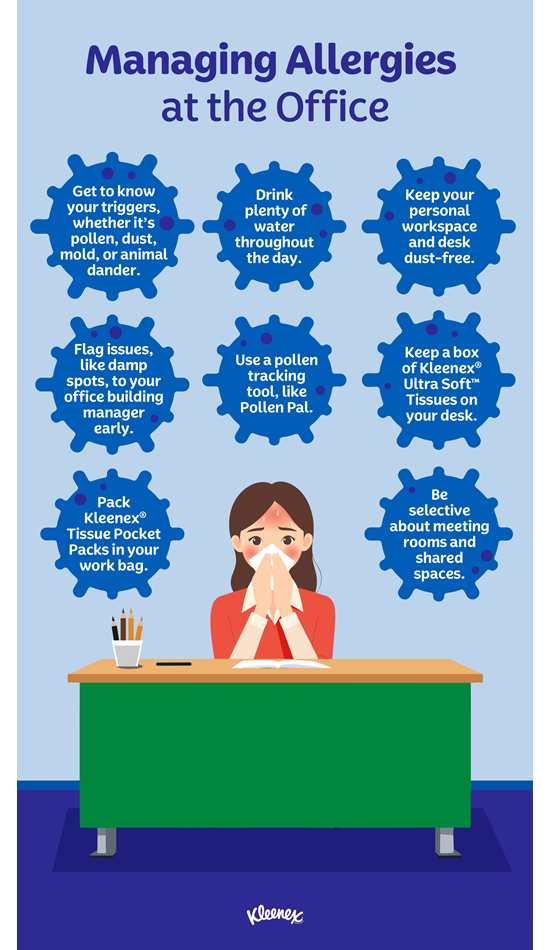
Keep Your Personal Workspace Free of Dust: Wipe down places you touch most like your desk, phone, keyboard, and monitor a couple times a week.
Create a “Clean Air” Zone Near Your Desk: If your workplace allows it, consider a small HEPA air purifier for your immediate area, especially if you sit near vents, heavy foot traffic, or carpeted zones.
Be Strategic About Meeting Rooms and Shared Spaces: Conference rooms with fabric chairs and lots of people cycling through can collect allergens. If you notice symptoms spike after certain meetings, try switching rooms or sitting away from vents.
Report Building Issues Early: If you see water stains, smell mustiness, or notice persistent dampness, report it. Mold and mildew problems can get worse over time, and early maintenance can help everyone.
Stay Hydrated: Proper hydration helps manage allergies because it can thin out mucus, flush out allergens, and reduce the factors that cause congestion, sneezing, and itchiness.
Practice “Outside-To-Inside” Habits: During high pollen days, consider changing out of an outer layer (like a jacket) when you arrive and keeping it away from your desk chair.
Use Hypoallergenic Products and Maintain Cleanliness:
A few small product and routine swaps can reduce irritation:
- Choose unscented or low-scent options where possible with hand soap, sanitizers, wipes, and disinfectants. Fragrance can trigger symptoms even for people who don’t think of themselves as “someone with allergies”.
- Avoid air fresheners in your immediate area. Nice scents don’t always mean clean air.
- Keep soft facial tissues within reach. When allergies act up, frequent nose wiping can make skin feel tender fast. Choosing soft facial tissues to keep handy can help you stay comfortable and look more put-together in meetings.
- Don’t ignore symptoms. If you’re regularly congested at work, consider talking with a healthcare professional about identifying your triggers and choosing the right treatment options.
Tools for Allergy Relief
Knowing which allergens you are most susceptible to is helpful for you to be prepared to treat your symptoms as they occur.
How to Track Allergies with Pollen Pal
Allergy tracking tools, like Pollen Pal, can help you connect the dots between your symptoms and what’s happening outside, as well as what’s potentially being carried inside. If you’ve ever wondered why some days feel worse than others, tracking can reveal patterns, like pollen surges, windy days, or seasonal shifts.
Get Real-Time Personalized Allergy Updates
With Pollen Pal, you can sign up for real-time, personalized pollen alerts so that you can stay one step ahead of pollen se season. It can help you to:
- Take a quick look at pollen levels before your commute
- Plan indoor breaks if you’re sensitive to outdoor triggers
- Time errands or walks when levels are lower
- Stay extra meticulous with desk cleaning and symptom management on peak days
- When you can anticipate high pollen days, it’s easier to stay comfortable and avoid getting unexpected symptoms mid-afternoon.
Find the Right Kleenex® Products for Office Allergy Relief
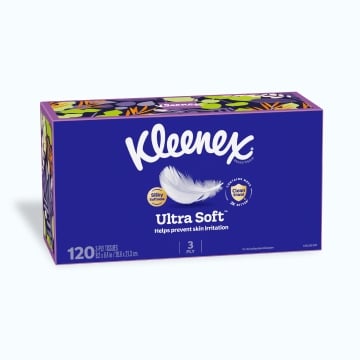
Kleenex® Ultra Soft™ Facial Tissues: A great everyday desk staple. When you’re reaching for tissues often, they can help comfort skin during frequent wiping. With three silky-soft layers these tissues are perfect for watery eyes, and runny noses.
Kleenex® Snap & Go™ Ultra Soft™ Facial Tissues: Perfect for tossing in a work bag, keeping in your car, or bringing to conference rooms, these tissues are easy to grab when symptoms pop up. The compact, durable pack with a lid that snaps shut to keep tissues clean and protected between uses.
For more allergy tips, at the office or elsewhere, Kleenex® Brand is here to help you stay comfortable and prepared every day.