Do you feel as if you're dragging through your day with foggy thoughts and feeling exhausted, even after a full eight hours of sleep?
If you find that your energy tanks as the seasons shift, or you’re yawning your way through bright, sunny afternoons, you might be experiencing seasonal allergies. Allergies come with a range of symptoms, and you might have questions such as ‘do seasonal allergies make you tired’?
Below, we’re sharing more information about allergies and why they might be making you so tired.
Why Do Seasonal Allergies Make You Tired?
Behind the sneezing, runny nose, watery eyes, and itchy nose, there’s a whole lot more happening in your body (especially when it comes to energy). Here are some reasons why seasonal allergies can make you sleepy:
Your Body’s Immune Response
Can seasonal allergies make you tired? Yes, they can! When you're exposed to allergens like pollen and mold spores, your immune system goes into full defense mode and produces antibodies called Immunoglobulin E (IgE), which then causes a reaction to release histamine and triggers an allergic response. While this is meant to protect you, the constant immune activity and high level of histamine in your body can make you tired.
It’s like your body is constantly multitasking; trying to power through the day while also fighting off an invisible irritant.
Poor Sleep
Struggling to fall asleep or stay asleep because of a stuffy nose or waking up every few hours to cough or clear your throat? Frequently waking up during the night can prevent your body from fully recharging, leaving you tired from the moment your alarm goes off.
Key Signs Your Fatigue May Be Allergy-Related
If your exhaustion always seems to kick in at a certain time of year/season, it might not be a coincidence. Here are some common seasonal allergy symptoms:1. Seasonal Slumps: You feel fine one week, then suddenly sluggish when certain pollen counts rise.
2. If your exhaustion shows up alongside sneezing, congestion, or itchy eyes, there’s a good chance it’s more than just everyday fatigue.
3. Rest and Sleep Don’t Help
4. Mental Sluggishness: Your brain feels sluggish, affecting memory and focus.
How to Fight Allergy Fatigue
Improve Your Indoor Air Quality
It’s easy to assume allergy symptoms only flare-up when you are outdoors, but the truth is that the air inside your home can be just as triggering. Allergens love to cling to carpets, curtains, and upholstery.
The good news is that you don’t need to live in a bubble to breathe easy. You can improve your indoor air quality to lighten the allergen load with Kleenex® Air Filters. These are designed to capture airborne allergens like pollen, dust, pet dander and many more allergens.
Here’s more on how an air filter can help reduce allergens in your indoor space.
Power Up with the Right Foods and Water
When allergies hit, every bite counts! Load up on anti-inflammatory foods like leafy greens, juicy berries, and omega-3-rich foods. These help soothe your immune system instead of sending it into overdrive.
Drinking enough water helps thin mucus, ease sinus pressure, and keeps your energy from crashing mid-afternoon.
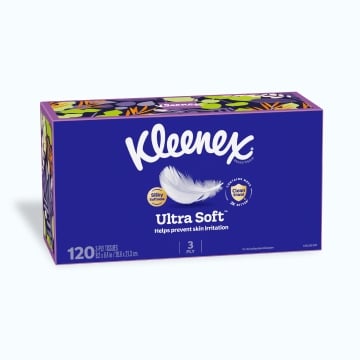
Have Kleenex® Ultra Soft™ Facial Tissues in Your Sleep Environment
Allergies can seriously mess with your shuteye, leaving you groggy no matter how early you hit the pillow. Keep a box of Kleenex® Ultra Soft™ Facial Tissues by your bedside, just in case a late-night sneeze or sniffle strikes. This is allergist approved and gentle on your eyes and nose.
How to Track Your Energy Dips with Kleenex® Pollen Pal
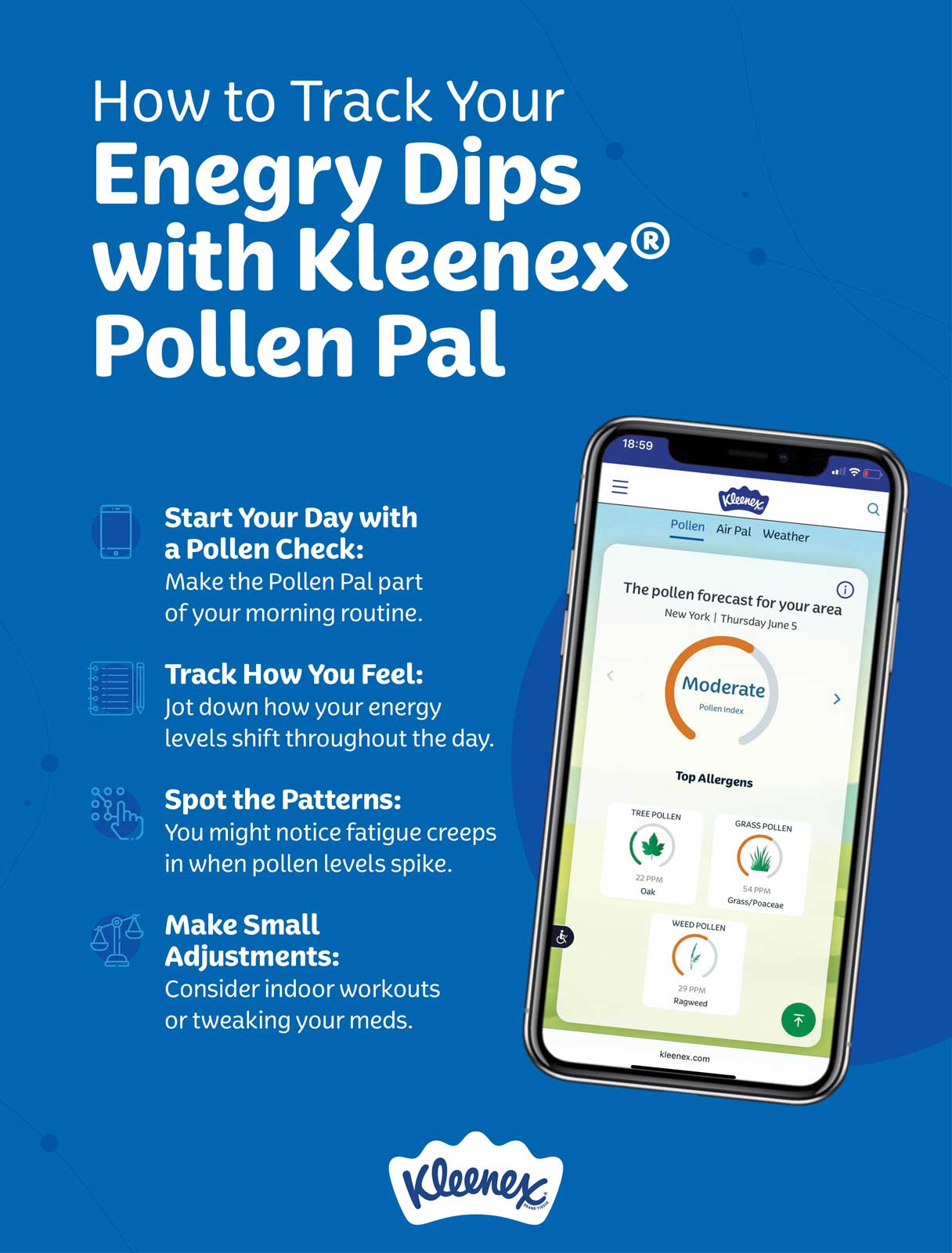
This simple, free tool gives you real-time pollen counts specific to your area and even breaks down which types of pollen are most active. By keeping an eye on the pollen in the air, you can start to link high-pollen days to your low-energy ones.
Here’s how to use it to your advantage:
Start Your Day with a Pollen Check: Make the Pollen Pal part of your morning routine like having breakfast.
Track How You Feel: Whether in a notebook or a notes app, jot down how your energy levels shift throughout the day.
Spot the Patterns: After a week or two, you might notice that fatigue creeps in when pollen levels spike.
Make Small Adjustments: On high-count days, consider indoor workouts or tweaking your meds to deal with potential allergies.
By tuning in to what pollen is in the air and how it affects your body, you can take back a little control over that foggy feeling before it takes hold.
Start your allergy relief plan today with Pollen Pal and Kleenex® Allergy Tissues.