Tired of having your nose red and raw during allergy season? Choosing the right allergy tissues can mean the difference between gentle care and irritated skin during this time of year.
We’ve created a guide to help you pick the right facial tissue for the sensitive skin. The right tissues in your back pocket means that you’re armed with multi-purpose protection. We’ll help you figure out which tissues you should use to get the gentle care you deserve while minimizing irritation and soothingly wiping your watery eyes or removing makeup and dirt.
Why Choosing the Right Facial Tissue Matters During Allergy Season
But before you pick a facial tissue, we’ll walk you through some important factors to consider before making your choice.
Key Factors to Consider When Choosing Allergy-Friendly Facial Tissues
• Softness
• Skin-friendly, soothing ingredients
• Portability
• Sustainability
• Sensorial benefits
Softness and Skin-Friendly Materials
You’ve probably been dealing with a runny or nose or sniffles or sneezing with your seasonal allergies. The skin on your face is generally more sensitive than the skin on other parts of your body. Making the skin around your nose more easily prone to irritation, especially if you’re regularly causing friction by blowing your nose often.
You might be wondering—how can you minimize irritation during allergy season? One simple way is by using soft tissues made with soothing, skin-friendly ingredients. Kleenex® Cooling + Aloe™ Facial Tissues are a great option. Infused with a hint of aloe, they provide instant cooling relief and help your skin feel refreshed and restored—avoiding the irritation and inflammation that rough tissues or toilet paper may cause.
Hypoallergenic and Fragrance-Free
Next, you’ll want to consider hypoallergenic facial tissues that are fragrance-free. This is especially important for allergy sufferers, even though you may be tempted to buy tissues featuring your favorite scent they can wreak havoc on your allergies.
Fragrance and Dye-Free Tissues
Another great alternative option is fragrance and dye-free tissues. Our gentle, soothing tissues are ready to care for every sneeze and sniffle this season. Check out more about our soothing ingredients to help you during allergy season – and beyond.
Moisturizing and Soothing Ingredients
When your skin feels chafed during allergy season, reach for a tissue that does more than just clean. Kleenex® Lotion Facial Tissues, infused with coconut oil and aloe, are designed to protect*, soothe, and moisturize sensitive skin with every use.
With their skin-loving benefits in your pocket, you don’t have to dread blowing your nose. Instead, feel confident knowing you’ve got a gentle partner to help you take on allergy season.
*helps protect hands
Portability and Travel-Friendly Packs
Be prepared. Allergy symptoms can strike no matter where you are and having a pack of allergy tissues in your back pocket can be a lifesaver when it comes to sneezing and sniffling.
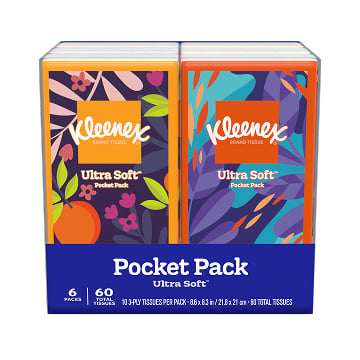
Kleenex® On-The-Go Ultra Facial Tissues - Pocket Pack is the perfect everyday companion. Easy to pop in your bag or keep in your pocket. We’ll give you the softest protection from seasonal shifts no matter where you are. Enjoy our softest touch and comforting care—whether you're facing spring breezes, fall chills, or anything in between.

Types of Facial Tissues for Allergy Season
| Product | Key Features | Used For |
|---|---|---|
| Kleenex® Lotion Facial Tissues |
|
|
| Kleenex® Cooling + Aloe™ Facial Tissues |
|
|
| Kleenex® Anti-Viral Facial Tissues |
|
|
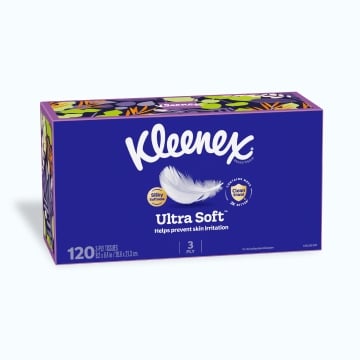
| Kleenex® Ultra Soft™ Facial Tissues |
|
|
†Virucidal against: Rhinoviruses Type 1A and 2 (Rhinoviruses are the leading cause of the common cold); Influenza A and Influenza B (causes of the flu); Respiratory Syncytial Virus (RSV – the leading cause of lower respiratory tract infection in children).
Find the Right Kleenex® Tissue for You
Infused with a hint of aloe, Kleenex® Cooling + Aloe™ Tissues, infused with a hint of aloe, provides instant cooling relief and help your skin feel restored. Make this allergy season a gentler one.
Discuss your symptoms with your medical provider and talk about how to treat your allergies.