Sneezing, congestion, itchy eyes, and sinus discomfort often seem to appear without warning, especially during Spring and Fall seasons. When outdoor pollen counts or air pollution levels are high, many people may close their windows. This may make them more susceptible to allergy triggers inside their home.
Small, consistent habits can reduce indoor allergens and support overall wellbeing. With the right approach, you can build routines that support home allergy relief.
This indoor allergy guide provides information to help you identify common triggers and adjust your house room by room, to support comfort to you throughout allergy season.

Indoor Allergens
Many allergens in your home are invisible.
Common Indoor Allergens
- Dust Mites: Dust Mites are microscopic organisms that thrive in bedding, carpets, and upholstered furniture.
- Pet Dander: Pet dander is comprised of tiny skin flakes and fur shed by cats and dogs that can linger on fabrics and in the air long after pets leave a room.
- Mold Spores: Mold spores are often found in damp, humid environments such as bathrooms, kitchens, and basements.
- Pollen: Outdoor pollen is brought inside and by attaching itself to clothing, shoes, and hair.
- Household Dust Particles: Dust particles are a mixture of microscopic particles, fibres, debris, and allergens that accumulate over time.
Why Is Allergy-Proofing Your Home Essential?
When pollen counts and air pollution outside are high, you may close your windows and doors, which may trap indoor allergens in your house.
By allergy-proofing your home, this may help:
- Reduce your symptom frequency
- Improve your sleep comfort
- Support clearer breathing indoors
- Even small adjustments, discussed below, can contribute to long-term home allergy relief and make seasonal allergy changes easier to manage
Use Kleenex® Air Filters
Air circulation plays a major role in reducing airborne allergens. Air filters help capture particles throughout living spaces.
Kleenex® Brand Air Filters should be changed at least every 90 days. This helps maintain the cleanest air for your home and best performance for your HVAC equipment. Other conditions that may require you to change your filter more frequently would be:
Helpful habits include:
- Replacing filters regularly
- Checking airflow vents for dust buildup
- Running ventilation systems consistently during high pollen seasons
- Fireplace or Wood-Burning Stove; Pets; Increased Pollen Count; Tobacco Smoke; Candles; Home Renovation
Room-by-Room Allergy Cleaning List
A cleaning checklist makes allergy management feel achievable. Instead of cleaning everything at once, focus on key areas where allergens tend to accumulate.
Bedrooms:
Reduce allergens in your bedroom with the following tips:
- Use dust-proof covers for pillows and mattresses
- Wash bedding weekly in warm water
- Wash decorative pillow covers that collect dust
- Vacuum floors weekly
Living Room:
Reduce allergens in your living room with the following tips:
- Prioritize living spaces with hardwood or low-pile rug or carpet
- Choose washable curtains or use a handheld vacuum attachment to remove dust.
- Vacuum upholstery and floors regularly
- Dust surfaces using damp
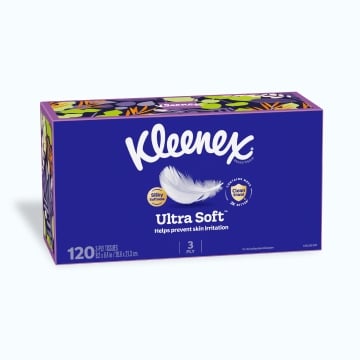
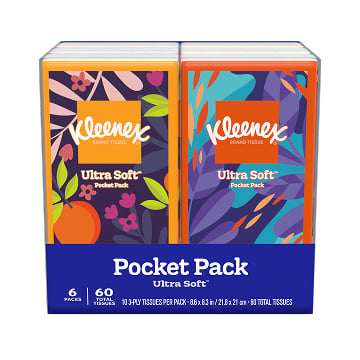
- Keeping tissues easily accessible, such as Kleenex® Ultra Soft™ Facial Tissues, including On-The-Go, Slim Pack, and Pocket Pack options, allows you to be prepared throughout the day.
Bathroom:
Reduce allergens, including mold in your bathroom with the following tips:
- Run the bathroom fan when you are showering
- Wipe down damp surfaces regularly
- Clean your shower curtain and liner regularly
- Clean sinks, showers, toilets, counters, and floors frequently
- Wash your towels and bathmats weekly
Kitchen:
Reduce allergens in your kitchen with the following tips:
- Run exhaust fan when you are cooking on the stove
- Wipe down surfaces regularly
- Sweep, vacuum, and wash floors weekly
- Wash hand towels weekly
- Don’t leave dishes soaking in the sink and clean as-you-go
Basement:
Reduce allergens in your basement with the following tips:
- Use a dehumidifier if humidity levels are high
- Store seasonal items in sealed containers
- Avoid storing fabrics directly on floors
- Clean surfaces periodically to prevent dust buildup
Find the Right Kleenex® Products for Home Allergy Relief
While cleaning your home is important to help reduce your exposure to allergens, comfort during allergy symptoms is equally important. Frequent sneezing and congestion can irritate sensitive skin, making gentle support essential. Kleenex® Ultra Soft™ Facial Tissues offer care for sensitive noses, with portable options like Kleenex® Ultra Soft™ On-The-Go Packs helping you stay prepared throughout the day. For dependable everyday use at home, Kleenex® Trusted Care® Facial Tissues provide reliable softness and strength, while convenient formats such as Kleenex® Slim Pack Facial Tissues and Kleenex® Pocket Pack Facial Tissues make comfort easy to carry wherever.